SANTA NELLA — Romero Elementary teacher Peter Gonzalez is developing a new astronomy program aimed at giving students hands‑on opportunities to explore space, science and discovery. Gonzalez said the idea grew out of a classroom lesson in which students showed an unexpected level of excitement about astronomy.
“In our English language arts curriculum we had a unit on astronomy and the students were very interested in space,” Gonzalez said. “I asked if they were interested in using telescopes to look at stars after school, and the whole class said yes.” After receiving approval from Principal Miranda, he began planning two activity‑filled nights for third‑ through fifth‑grade students next school year.
The program will feature several stations designed to make astronomy interactive. Gonzalez said students will use telescopes and space binoculars to view planets, stars and the moon. Other stations will include rocket launches, space‑themed read‑alouds, trivia contests with NASA prizes, art projects and a “Milky Way Café” offering themed treats.
For Gonzalez, the goal is to spark curiosity while supporting learning across subjects. “I feel it is important for students to build a sense of wonder and curiosity of the world they live in,” he said. “Giving students exposure to astronomy helps to develop background knowledge and vocabulary acquisition that can help them in other academic areas.”
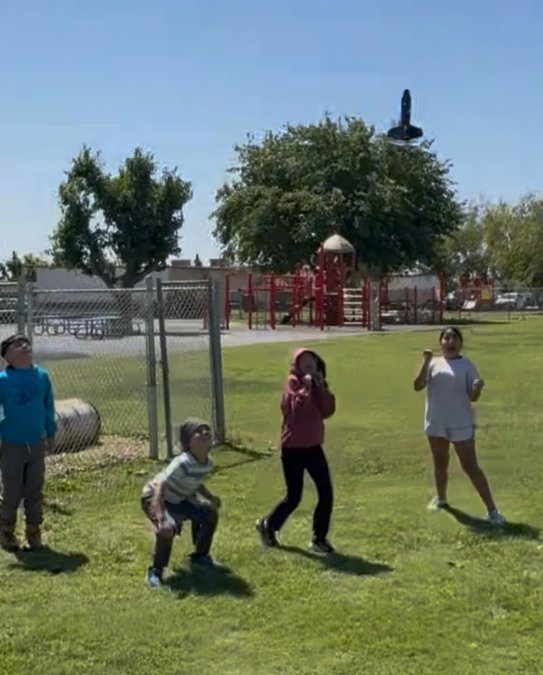
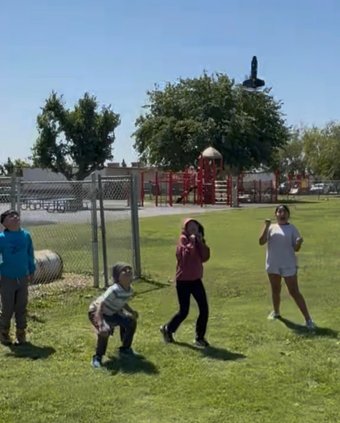
He said many Romero students have never had access to this type of experience. Over the past few weeks, he has been testing equipment with students and said their reactions have reinforced the value of the program. “I have seen the moon up close through space binoculars, Jupiter and its moons, and launched rockets in the middle of the day with my students,” Gonzalez said. “My students were jumping in excitement in the background while the rocket launched.”
As planning continues, Gonzalez said volunteers and supplies will be essential. Fellow Romero teacher Mrs. Waltman has already stepped in to help organize the program, and Gonzalez expects strong support from parents. The program still needs two sets of space binoculars, two heavy‑duty tripods and a quality telescope. He also welcomes ideas for additional activities as planning moves forward.
For Romero Elementary, the astronomy program is part of a broader effort to expand opportunities for students in a small rural community. “We at Romero Elementary want to provide opportunities for our students that are not available to them due to the small community they live in,” Gonzalez said. “If they enjoy it and support it, we will continue to invest in it.”
As Gonzalez prepares for next school year, he hopes the program will give students a new way to look up, ask questions and discover the world beyond their classroom.