MODESTO — Stanislaus County agricultural officials are urging Costco customers who recently bought grape plants to avoid planting them and to contact the county for inspection after an invasive pest was detected on nursery stock sold across California.
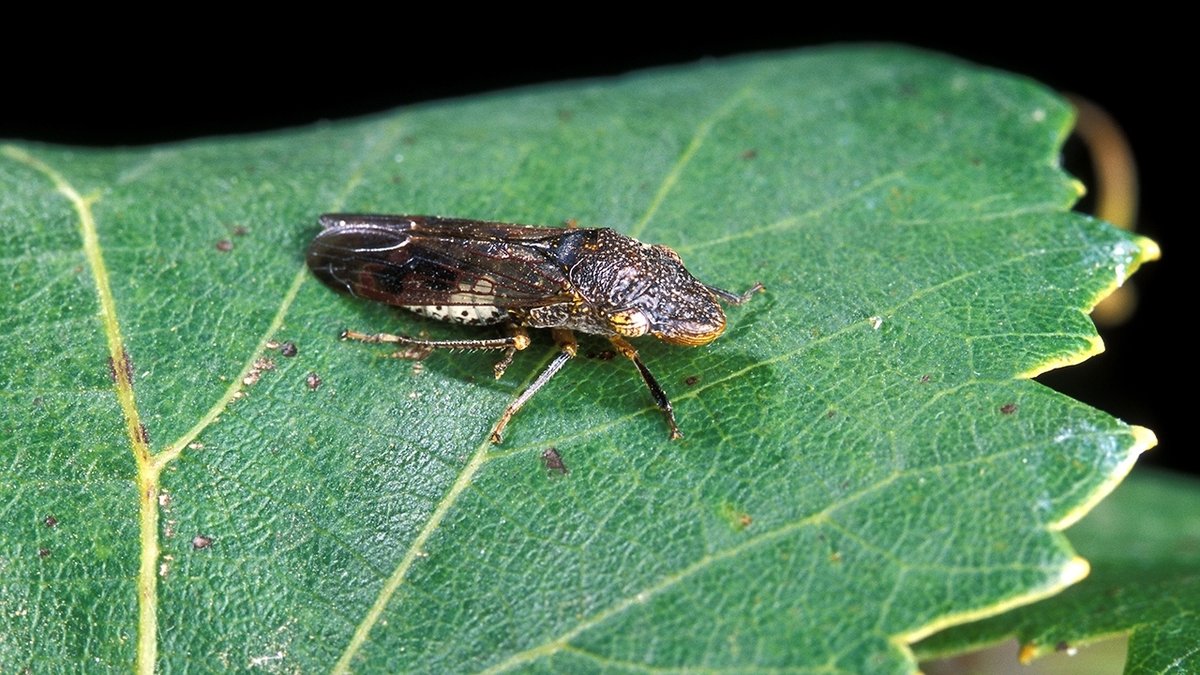
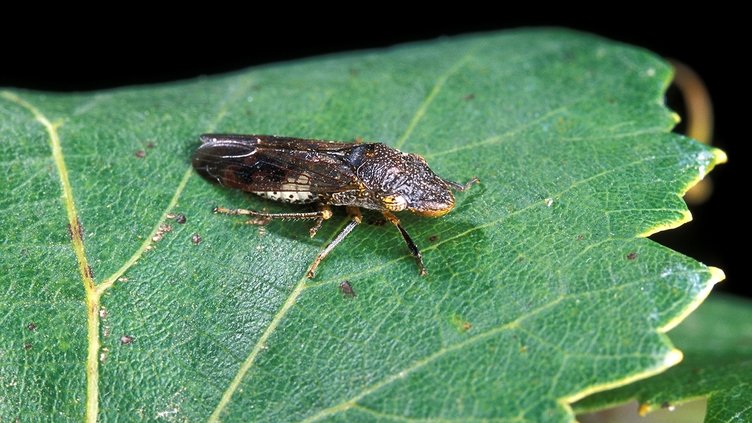
The plants were sold at Costco locations in Modesto, Turlock and Riverbank between April 21 and May 21, 2026. Officials say the plants may carry the glassy‑winged sharpshooter, an invasive insect capable of spreading Pierce’s disease, a bacterial infection that can kill grapevines. Similar detections tied to the same shipments have been reported in several Northern California counties.
“Protecting Stanislaus County agriculture and preventing the spread of invasive pests is critically important,” Agricultural Commissioner Linda Pinfold said in a statement. “We are asking anyone who purchased these grape plants to contact our office before planting, moving, or disposing of them.”
Customers who bought grape plants during the affected dates are asked to contact the Stanislaus County Agricultural Commissioner’s Office at 209‑525‑4730 or AgCom50@StanCounty.com, keep the plant isolated in its original container, and avoid planting, transporting or returning it. Officials also advise double‑bagging the plant if possible and not placing it in the trash or compost.
Costco is notifying customers directly and offering refunds. County officials are working with the California Department of Food and Agriculture and other agencies to identify and contain any infested plants.
The glassy‑winged sharpshooter feeds on a wide range of plants and is considered a major agricultural threat because of its ability to spread Pierce’s disease. Parts of Turlock remain under quarantine as eradication efforts continue.