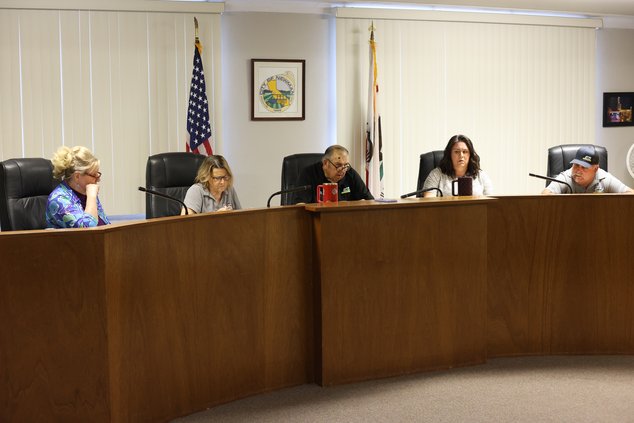
The Westside Community Healthcare District will decide whether or not to pursue a ballot measure next month.
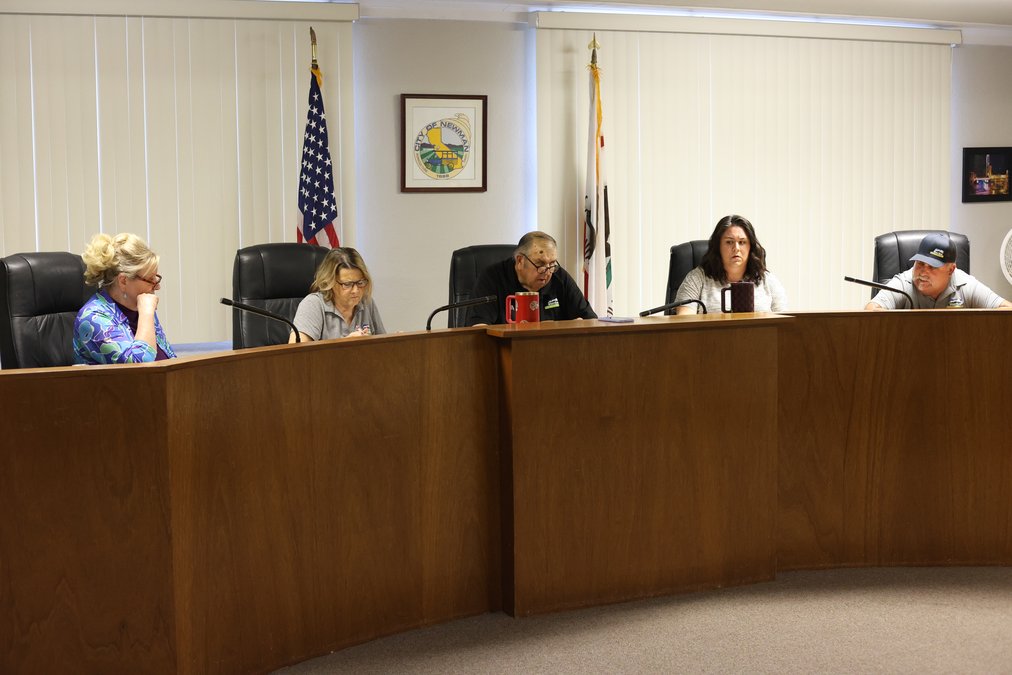
On Monday, the Board of Directors voted 5-0 to delay its decision to a May 16 meeting. District staff were instructed to find the amount of parcels within the district’s area and a plan for the property owners who own multiple parcels, which was suggested by board member Bob Vargas.
The proposed parcel tax is $69 per parcel, which is expected to generate $600,000 in revenue, according to the staff report. Additionally, the measure will also allow an annual increase of 3% to adjust for inflation.
The per parcel total is the exact amount that has appeared on the ballot in each of the last two elections. In both attempts, WSCHD has failed to receive the required two-thirds vote in Stanislaus and Merced counties for the measure to go through.
The district will have until July 6 to submit the initiative to appear on the ballot for the November midterm elections in both counties, said Nicholas Cardella, an attorney at Fresno-based Wagner Jones Wesley PC
During Monday’s meeting, Cardella discussed with board members on how the district should approach pursuing the measure and what needs to change in its third attempt.
Vargas questioned if the measure would pass in its third attempt given the proposed parcel tax proposal is the exact same as the previous attempts, which failed to go through. He added that if there isn't change to how the district campaigns the measure, then they "might as well not do it.”
Cardella, in response, said he’s unsure if the measure is better than going with a parcel tax of around $200 to $300 tax on single family homes within the district’s parcel map. While fundraisers or allowing donations can help levy the district’s financial standing, it’s not a long-term solution, he added.
“None of these are long term solutions to the district’s revenue problem,” Cardella said. “The only long-term solution is a tax.”
With the revenue expected to be used towards providing necessary services, such as staff training and equipment, Cardella said the board needs to take "aggressive action” to show voters where it will be specifically allocated to. This includes buying new ambulances or increasing employee salaries. If the measure doesn’t go through, the district will have to make budget cuts and could have less employees, he mentioned.
“We continue to have less employees who are making less than their counterparts in other districts, and we’re constantly under staff,” Cardella said. “We still exist, but that doesn’t mean the quality of service has been the same. It’s getting worse.”
Leo Landverde, the financial manager for WSCHD, said the district has been on the “brink of fees and penalties,” and that “cash is unpredictable.” He added that the district can’t be reliant on transports as its only source of revenue, calling its “band-aid.”
“I always [been] surprised about the resilience of the district, there are many times that I thought, ‘I don’t know how we’re gonna make it past November,’” Landverde said.
Roberta Casteel, the district’s administrative services manager, estimates it could cost around $15,000 combined to put it on the ballots in Stanislaus and Merced counties.
Within the past year, WSCHD has dealt with several fiscal constraints with revenue and retaining Emergency Medical Services (EMS) personnel.
In October 2025, the district sent out a two-page letter to local agencies, such as Stanislaus County Board of Supervisors and Merced County Board of Supervisors, seeking financial assistance. The letter mentioned the district’s history, where its ambulance services operate, difficulties in offering a competitive salary to employees and the need to purchase new equipment.
With a decision looming, board member Debbie Lopes said she hopes to see the measure get put on the ballot “as quickly as possible.”
“Your community is open, I believe, to having an ambulance, to having that healthcare that we need. It’s life and death basically,” Lopes said. “I think we need to put our heads together with the people that we know and keep us going.”