NEWMAN — The Newman City Council on Tuesday will receive an informational presentation on the police department’s use of Flock Safety automated license plate reader technology, following weeks of questions and concerns raised by residents on social media and through emails to city officials.
Police Chief Raymond Framstad is scheduled to outline how the department uses the ALPR system, what safeguards are in place to protect privacy, and how the program complies with state law — including California Senate Bill 54, which restricts data‑sharing with federal immigration authorities.
According to the staff report, access to the system is limited to sworn peace officers, and every search requires a documented justification. All activity is logged and audited, and misuse can result in disciplinary action. The department also states that ALPR data is not shared with federal agencies or out‑of‑state law enforcement and is used only for legitimate investigative purposes. The presentation will include case examples showing how the cameras have helped recover stolen vehicles, locate missing at‑risk individuals and assist in serious criminal investigations.
Automated license plate readers have become a flashpoint in communities across the country. Supporters say the cameras help solve crimes more quickly, especially vehicle thefts and hit‑and‑runs, and provide real‑time information to officers responding to emergencies. Critics argue the technology can create broad surveillance networks that track the movements of ordinary residents, raising concerns about data retention, misuse and the potential for government overreach. Civil liberties groups have also questioned whether ALPR systems disproportionately impact certain neighborhoods or could be used in ways that chill free movement.
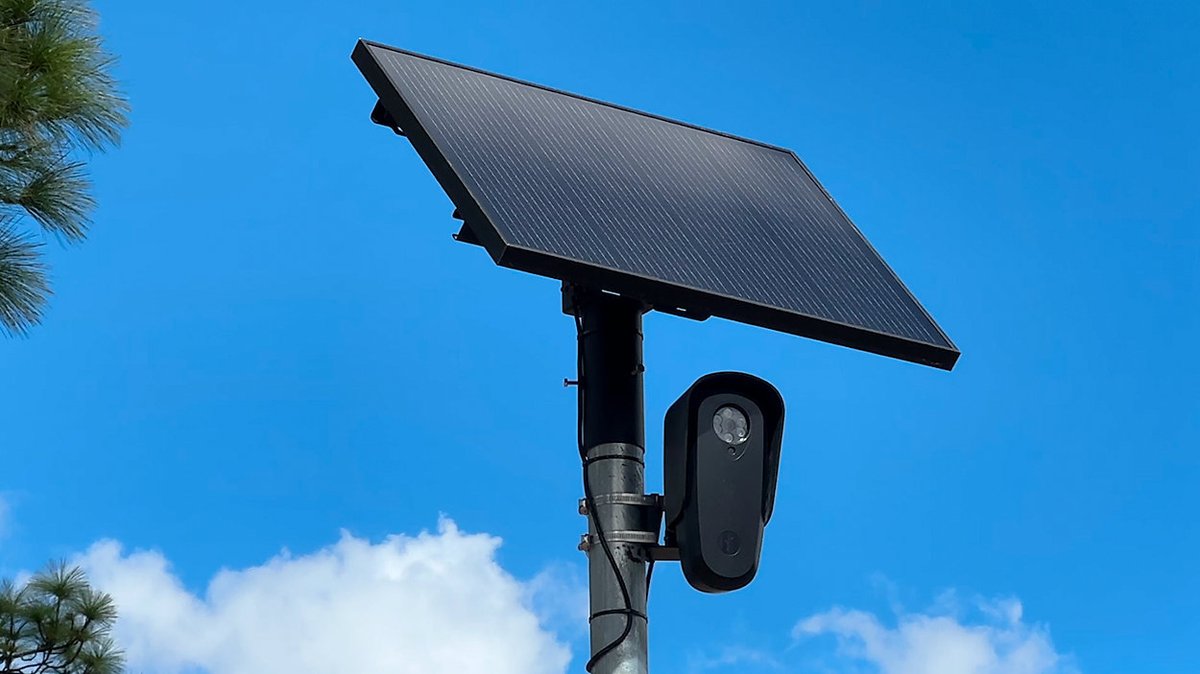
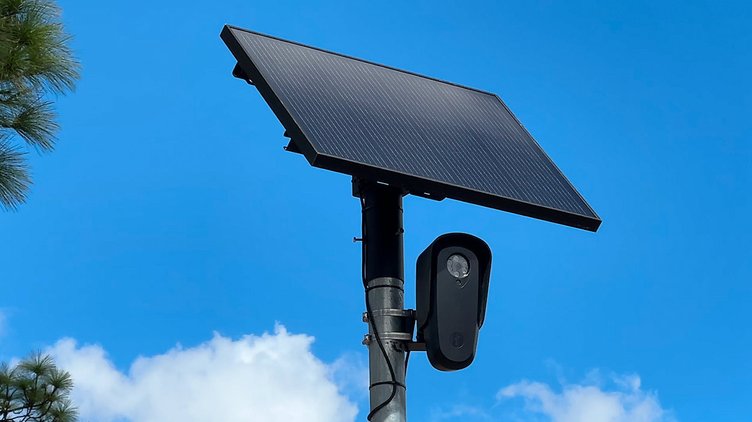
Flock cameras, now used by hundreds of agencies nationwide, capture images of passing vehicles and convert license plates into searchable data. While the systems do not record faces, they can log vehicle characteristics, timestamps and travel patterns — information that has fueled debate over how long data should be stored and who should have access to it.
Tuesday’s presentation is intended to address those concerns directly, providing what city staff describe as a “clear and factual overview” of the department’s policies and limitations surrounding ALPR use. Framstad is expected to walk the council and public through the department’s procedures, oversight mechanisms and the role the cameras play in local investigations.
Residents may comment during the meeting’s public participation period. As always, readers should confirm meeting details with official city sources.