SACRAMENTO — With ocean temperatures surging and forecasters warning that this fall could bring one of the strongest El Niño events ever recorded, Gov. Gavin Newsom on Monday declared a statewide state of emergency — a move aimed at accelerating preparations before winter storms intensify.
For the Westside, where flooding has shaped local memory, the announcement lands with a familiar sense of caution.
The proclamation directs state agencies to stage sandbags, pumps and plastic sheeting; pre‑position Caltrans road‑closure and snow‑removal equipment; and prepare the California National Guard for search‑and‑rescue, engineering and logistics missions. It also fast‑tracks permitting for flood‑protection work and expands multilingual public‑safety messaging on flooding, evacuations, emergency alerts and power outages.
“We are preparing for this El Niño early because every Californian deserves to be safe in their home, connected to their community, and protected when severe weather comes,” Newsom said.
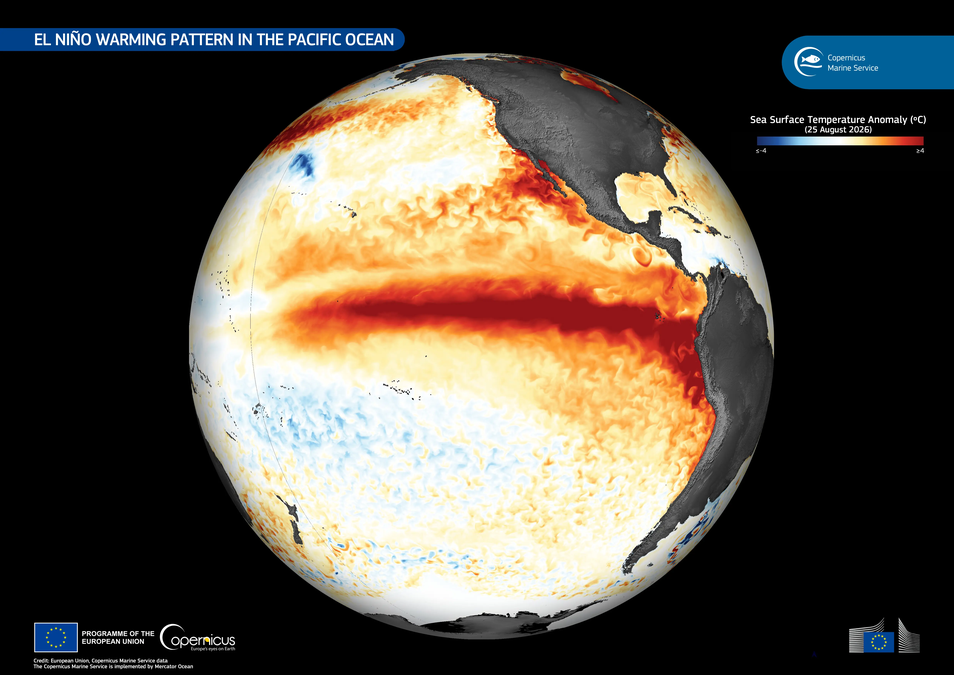
El Niño is a natural climate pattern marked by warmer‑than‑average sea‑surface temperatures in the eastern Pacific. When those waters heat up, they can shift the jet stream, steering more storms toward California and loading the atmosphere with moisture. Historically, strong El Niño years have brought wetter, more intense winters to the state, though impacts vary by region.
This year’s event is already showing signs of unusual strength. A recent study in Science found modern El Niño events are now more than 36 percent stronger than those before the industrial era, a trend scientists say is accelerating as the planet warms. Federal forecasters estimate a greater than 90 percent chance of a very strong El Niño this fall and winter, and a 75 percent chance it reaches historic strength.
In practical terms, that means California could see repeated rounds of heavy rain, strong winds, mountain snow, flooding, landslides, debris flows and coastal flooding — especially when storms coincide with high tides.
Westside communities have long lived with the consequences of powerful winter storms. In March 1995, Newman endured the worst flood in its history when Orestimba Creek overtopped its banks, sending thousands of cubic feet per second of water across farmland and into town. Homes and roads were inundated, wells were contaminated and 65 convalescent‑hospital residents had to be airlifted out after ground evacuations failed.
Gustine has also faced repeated flooding over the decades. Merced County hazard records list 10 historical flood events affecting the area, underscoring the region’s vulnerability when creeks swell and drainage systems are overwhelmed.
And in 1997, as a major El Niño developed, the Central Valley saw widespread flooding that closed highways, damaged farms and strained levee systems. While the worst failures occurred north of the Westside, local dairies, row‑crop fields and transportation corridors felt the impacts.
Cal OES Director Caroline Thomas Jacobs said the state is “not waiting for this season’s storms to be on our doorstep,” noting that early coordination is underway with local governments. Natural Resources Secretary Wade Crowfoot said the emergency order will “cut red tape” so communities can shore up infrastructure before storms arrive.
For residents of Newman, Gustine, Santa Nella and surrounding rural areas — where creeks, canals and low‑water crossings can become hazardous in minutes — the state’s early mobilization may prove critical. History has shown how quickly storms can isolate neighborhoods and overwhelm aging infrastructure.
Officials urged residents to clear drains and gutters, sign up for emergency alerts, know evacuation routes and avoid driving through floodwater.
“California is strongest when we look out for one another,” Newsom said.