Plans for a parcel tax ballot measure for the West Side Community Healthcare District remain on hold after the Board of Directors voiced their concerns of pursuing it on Monday, leaving the district to possibly explore other options to generate revenue.
A resolution on whether or not to pursue the ballot measure was not made as Board President David Varnell was absent.
The proposed property tax measure is $69 per parcel, and it’s expected to generate a revenue of $600,000 for the district, according to a staff report from an April 27 meeting. It’s the exact same proposal that has failed to receive two-thirds of votes in Stanislaus and Merced counties in each of the last two elections.
The measure will also allow 3% annual increase to adjust with rising inflation.
Similar to the previous attempts, the proposal also didn’t provide voters on where the proceeds will be allocated towards such as purchasing new ambulances or increasing employees’ salaries.
With nothing different, this drew scrutiny from board member Bob Vargas. Vargas questioned if it’s worth the district’s time and effort to pursue the measure, especially with it proposing the same parcel tax amount as the previous two attempts. He said the district should not pursue the measure if there’s no changes.
After further discussion, the board voted 5-0 to instruct district staff to explore possible suggestions of where to allot the revenue.
WSCHD will have until July 6 to submit the paperwork for the measure to appear on the ballot for both counties in November.
The conversation comes at a time where the district has dealt with financial hardships. In October 2025, the Board of Directors approved sending a two-page letter to local agencies, including Stanislaus County Board of Supervisors and Merced County Board of Supervisors, for financial assistance.
Three property tax measures presented
Jessica Vived, an attorney at Fresno-based Wanger Jones Helsley PC, presented a PowerPoint presentation of three property tax options - a flat parcel tax, a parcel tax based on building square footage and a reduced rate for developed and undeveloped parcels.
The flat rate option charges $69.36 per parcel regardless of size, use or development status. This means a single-family home, business, agriculture and undeveloped parcels will pay the same rate.
While the cost is consistent, it will rely on parcel count rather than acreage and building size, Vived said.
Unlike the previous option, charging a tax by square footage will vary for different properties with a 5.1 cents tax per building square feet. For example, a 1,500-square-foot single-family home will pay an annual tax amount of $76.54. The largest revenue earners for the district with the option will come from a 50,000-square-foot grocery store building and 100,000-square-foot warehouse or industrial building at $2,551.24 and $5,102.48, respectively.
Vived said the option could avoid burdening large agricultural and undeveloped areas that aren’t near ambulance services. However, homeowners would pay $7.18 more as opposed to a flat rate. Two-thirds of the district’s parcels are residential, according to the presentation.
Rates will be dependent on whether a lot of square footage is developed or undeveloped in the third option. The initiative could cost developed lots 9.6 cents per 1,000-square-foot and 1 cent per 1,000-square-foot for undeveloped lots.
For example, a 5,000-square-foot residential lot could generate an estimated 48 cents in annual tax and undeveloped 5-acre property is estimated to bring $2.15 annually to WSCHD.
While this is the lowest direct cost for residential homeowners, the option could be difficult to present to voters as a ballot measure with it dependent on development status and lot square footage, Vived said. She added It could also create a revenue burden on large developed parcels.
“Those who own more land that is developed, they’re going to be able to mobilize and they’re going to be able to often have more money to be able to oppose the special tax,” Vived said.
Attendees and board members weigh in on ballot measure
After all three options were presented, board members and the attendees gave their input on what the district should do.
Board member Ashley Casteel said the board should take some time when considering the three options. She added that she “would hate to waste the district’s money” for a ballot measure that could fail to pass for a third time.
“I would hate to spend the money on a gamble, [and I’m] not a gambler,” Casteel said.
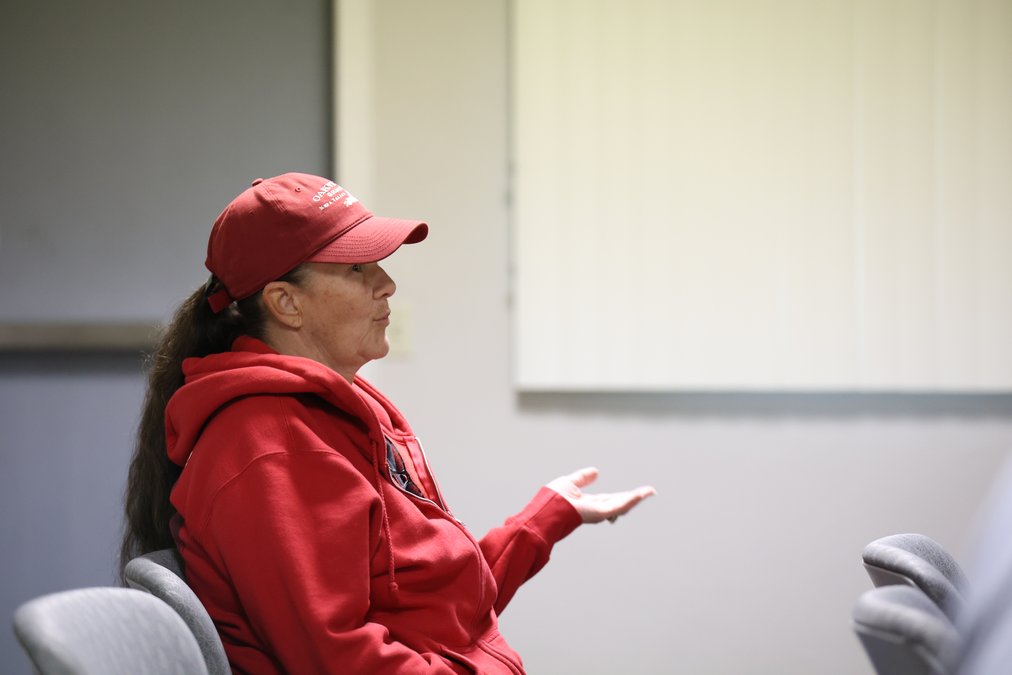
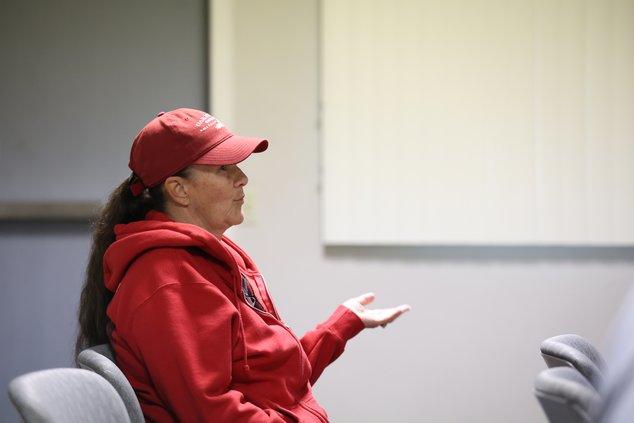
One attendee critical of the initiative was Gustine City Councilmember Sherri Marsigli. As a property owner, Marsigli said she’s already tackling increased costs to her insurance.
She suggested there should be incentives such as covering a deductible. “I cannot continue to foot everybody else’s bill,” Marsigli said. “I think somebody needs to figure something out besides tapping the property numbers.”
While sharing the sentiment as Casteel, board member Debbie Lopes said the district should explore all of its options. She added everyone is going to need emergency assistance at some point and referenced a situation where personnel helped someone she knew avoid losing their kidney.
“I have so many personal stories about this district helping people,” Lopes said. “And that’s what we want to do and we want to continue to do that.”